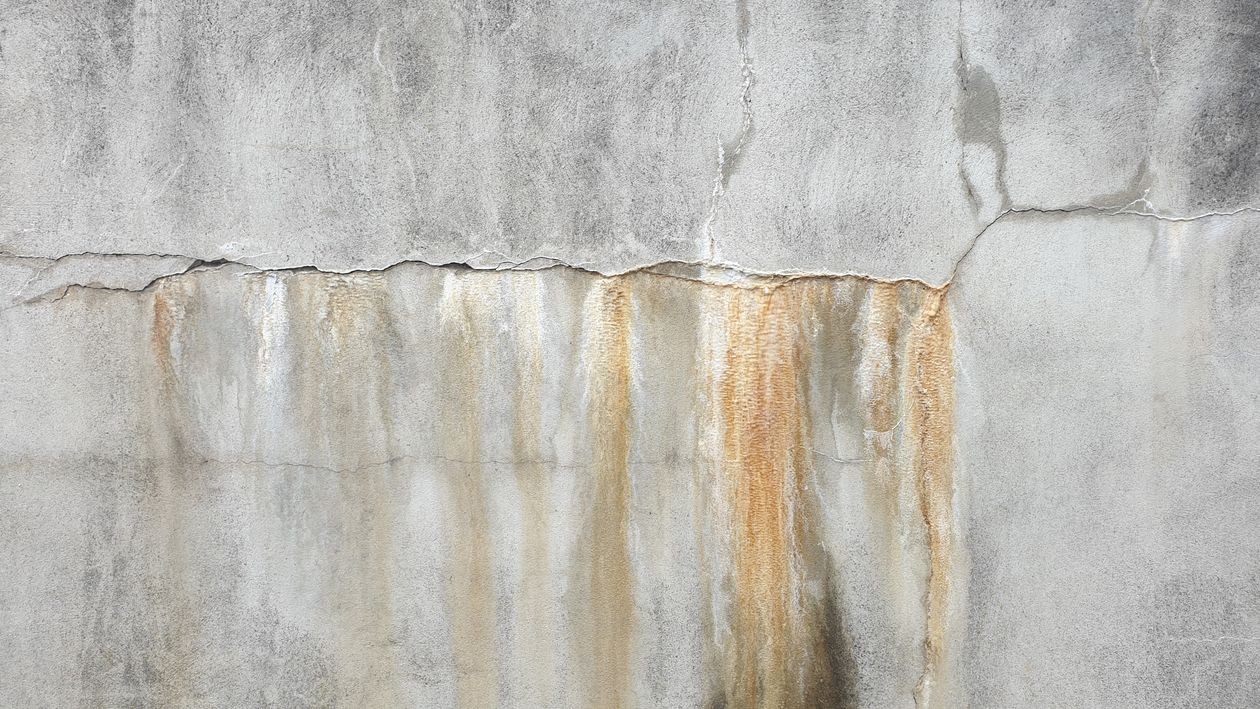
Corrosion mapping of reinforced concrete uses half-cell potential surveys to locate areas where embedded steel is actively corroding. A technician measures electrical potentials across a grid, then plots them into a map that flags high-risk zones. It guides targeted repairs but does not measure structural strength on its own.
Every reinforced concrete structure hides a slow race between steel and salt. Long before a slab cracks or a column spalls, corrosion is already at work inside the concrete, out of sight. Corrosion mapping brings that hidden process to the surface, turning invisible electrochemical activity into a clear, colour-coded picture that owners and engineers can act on.
That shift, from guesswork to data, is what makes the method so valuable for parking garages, bridge decks, and balconies across Quebec. The sections below explain what the survey shows, how a half-cell reading is taken, when to book one, and where its limits lie.
What corrosion mapping reveals about reinforced concrete
Reinforced concrete relies on steel bars to carry tension. Concrete normally protects that steel with a highly alkaline environment that forms a passive film on the metal. Two things break that protection: chloride ions from de-icing salts or marine air, and carbonation, which slowly lowers the concrete's pH. Once the film fails, the steel rusts, expands, and cracks the surrounding concrete.
Corrosion mapping is the process of surveying a concrete surface to find where this electrochemical activity is happening and how far it has spread. Instead of guessing from surface stains, the survey produces a data-backed map that ranks a structure from low risk to high risk, one grid point at a time.
Why hidden corrosion matters
By the time rust stains, cracks, or spalls appear, the damage is usually well advanced. Mapping catches the electrochemical signal earlier, which gives owners time to plan repairs on their own schedule rather than reacting to an emergency closure.
How half-cell potential surveys work
The workhorse behind most surveys is the half-cell potential method, described in the ASTM C876 test method. It measures the electrical potential of the reinforcing steel relative to a reference electrode placed on the concrete surface.
Corroding steel behaves like a tiny battery. Anodic (rusting) zones and cathodic (passive) zones create measurable voltage differences. A portable reference electrode, usually copper and copper sulfate, reads those differences point by point.
The equipment behind a reading
A typical setup includes:
The technician makes one connection to the steel, then moves the electrode across a marked grid, recording a reading at each node.
- a copper and copper sulfate reference electrode (or a silver and silver chloride type)
- a high-impedance voltmeter
- a direct connection to the rebar, made at an exposed bar or a single drilled contact point
- a sponge and wetting solution to complete the electrical circuit
Reading the potential values
Results are negative millivolt (mV) readings, interpreted as probabilities rather than certainties. Using a copper and copper sulfate electrode, ASTM C876 links readings above -200 mV to a high probability of passive steel, and readings below -350 mV to a 90 percent probability of active corrosion. The range in between points to uncertain activity.
Plotted over a floor plan, these values form a contour map. Warm zones flag likely corrosion, while cool zones suggest the steel is still protected.
When to use a corrosion mapping survey
Corrosion mapping earns its place wherever chloride exposure and hidden steel meet. Common triggers include:
In Quebec, owners of parking structures are required to have their buildings inspected periodically by an engineer, and a corrosion survey gives that professional objective data to work from.
Not sure whether corrosion is already active in your slab or garage? A qualified concrete assessment team can review the site and recommend the right survey scope before any repair budget is committed.
- parking garages and ramps exposed to road salt
- bridge decks, balconies, and other exposed slabs
- structures near the ocean or de-iced roadways
- concrete already showing cracks, rust stains, or spalling
- the planning stage of a repair, to size the work accurately
- follow-up checks on previously repaired areas
What the survey cannot tell you
A survey maps corrosion probability, not every property of a structure. Knowing the limits keeps expectations realistic.
For these reasons, readings should be interpreted by experienced specialists and combined with other data before conclusions are drawn.
- It does not measure remaining strength or load capacity; that stays an engineer's judgment.
- It gives the likelihood of activity at survey time, not a corrosion rate.
- Coatings, sealers, overlays, and epoxy-coated rebar can block the circuit and distort readings.
- Very dry or fully saturated concrete can skew potentials.
How the method fits with other concrete testing
The method is strongest as part of a toolkit. Pairing it with ground-penetrating radar scanning locates rebar depth and layout, which makes the grid more accurate and the map easier to read. Chloride sampling, carbonation depth tests, delamination sounding, and resistivity readings round out the picture.
Together, these methods move an assessment from "something looks wrong" to a clear, prioritized repair plan. Property managers comparing a full range of concrete testing services can combine several methods on a single visit to limit disruption. For sites in the region, a scoped corrosion mapping in Montreal survey can be planned around normal operations.
Conclusion
Corrosion mapping turns invisible steel corrosion into a clear map that supports smart, well-timed repairs. Half-cell potential surveys are fast, non-destructive, and standardized, yet they work best when read by specialists and paired with complementary tests. If a concrete structure faces salt or age, an early survey protects both safety and budget. To scope the right approach, talk to a qualified testing specialist before problems surface.