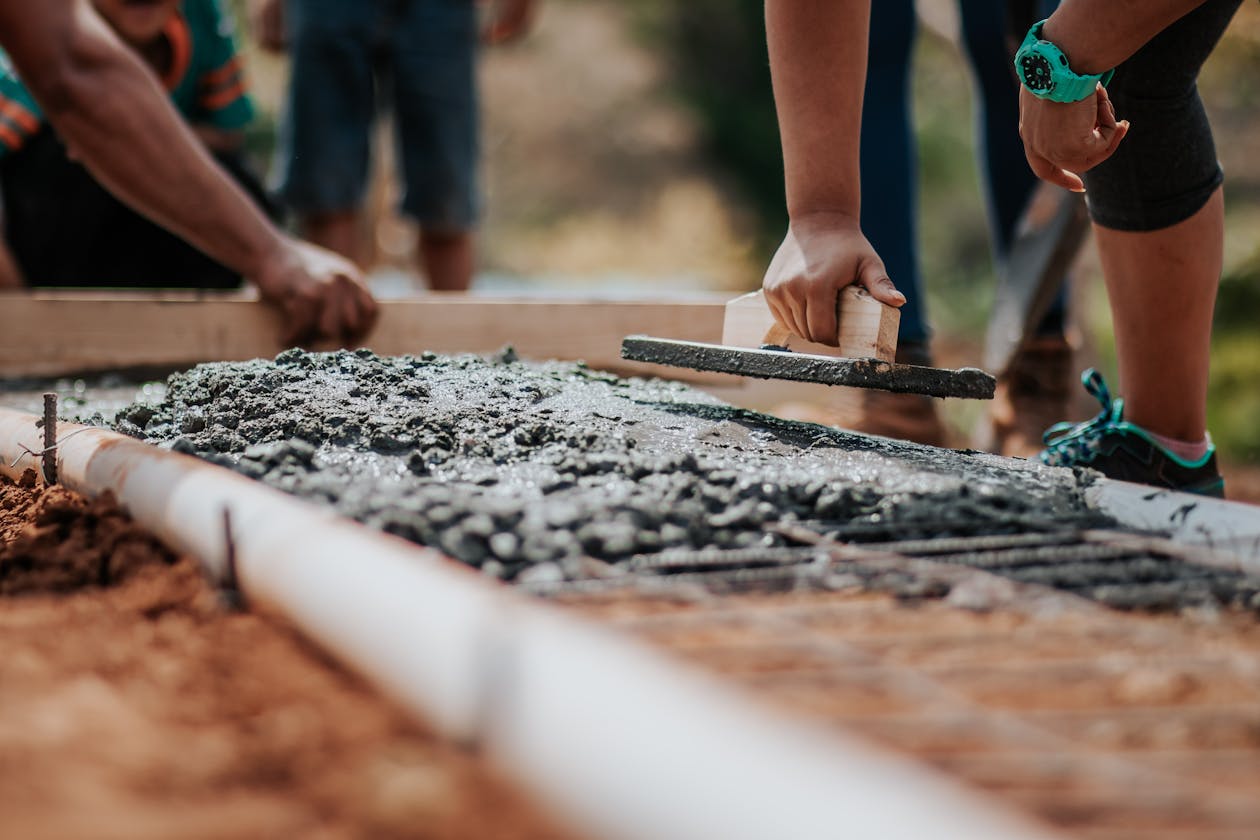
Concrete scanning before core drilling uses ground-penetrating radar to locate rebar, conduits, and post-tension cables hidden inside a slab. This non-destructive step maps the drill zone before any cutting begins, so crews can reposition holes, avoid dangerous strikes, protect structural integrity, and prevent costly delays on the job site.
Every core hole in a concrete slab is a small bet. Concrete scanning before core drilling is how professionals stop guessing and start seeing what is buried in the slab. Behind a smooth grey surface sits a hidden network of steel and building services, and one wrong hole can turn a routine task into a structural problem or a serious injury.
The good news is that the risk is avoidable. A quick radar pass reveals what lies beneath, so the drill lands in a safe gap instead of a live cable or a tensioned tendon. The sections below explain what a scan detects, why blind drilling is so risky, and how to plan holes with confidence.
What concrete scanning before core drilling actually detects
A concrete slab is rarely just concrete. Poured around a dense skeleton of steel and threaded with building services, it hides several things a drill bit should never meet. Concrete scanning before core drilling maps these elements so the crew knows exactly where to place, or reposition, each hole. This is the core value of professional concrete scanning services on any structural job.
Rebar and structural steel
Reinforcing bars run through almost every structural slab in a repeating grid. Drilling straight through rebar dulls bits, slows the job, and can quietly reduce the load capacity of the element. A scan shows the grid spacing and cover depth, so holes can be nudged into the clear gaps between bars.
Post-tension cables
Post-tension tendons are the highest-stakes find. These steel strands are tensioned after the concrete cures and stay under extreme load for the life of the structure. Severing one releases that stored energy in an instant, which can injure workers and compromise the slab. Post-tensioned floors are common in parking garages, high-rise towers, and long-span commercial slabs, so no flat slab should be assumed safe without a scan.
Conduits, pipes, and voids
Electrical conduit, plumbing lines, radiant heating loops, and hollow voids also live inside slabs and walls. Hitting a live conduit can cause an electrical incident, and striking a pipe means water damage and downtime. Concrete scanning before core drilling locates these services before the bit ever spins.
The real risks of drilling blind into a slab
Skipping the scan turns every hole into a gamble. The consequences of a blind strike are rarely minor:
Guidance from the post-tensioning industry is clear about this. The Post-Tensioning Institute of Australia note on penetrations through post-tensioned slabs warns that a severed strand can fly out of its end anchorage, recommends locating tendons with a cover meter or ground-penetrating radar before coring, and calls for an engineer's review when a hole could cut tendons.
Never leave the next hole to chance. Map the slab before the bit spins, and turn a risky guess into a verified, documented drill plan that keeps your crew and your schedule safe.
- Safety incidents, including violent cable recoil and electrical contact
- Structural damage that can require engineered repairs
- Project delays while crews stop, assess, and fix the hole
- Higher costs from repairs, replaced tendons, and lost time
How ground-penetrating radar works on concrete
Ground-penetrating radar, or GPR, is the tool behind modern concrete scanning. A rolling antenna sends high-frequency electromagnetic pulses into the slab and records the echoes that bounce back from boundaries between materials, such as concrete and steel. The pattern of those reflections reveals the depth and position of embedded objects.
Because GPR reads changes in electromagnetic properties, it can distinguish steel, conduit, and voids without touching them. The method is described in the ASTM D6432 standard guide for surface radar, and it is widely recognized as a reliable, non-destructive way to inspect concrete. It uses no ionizing radiation, so it is safe around people and in enclosed spaces. For projects in the Montreal area, see GPR concrete scanning in Montreal.
When to scan before you cut or core
A line scan is quick to run, so there is little reason to skip it. Plan a scan before you:
For a simple spot check, a line scan across the marked point is usually enough. For renovations, structural changes, or full post-tension mapping, an area scan over the working zone gives a more complete picture. When the work touches load-bearing elements, pairing the scan with a full structural assessment gives engineers the data they need to sign off with confidence.
Before any bit touches concrete, it pays to map the drill zone first. Booking professional scanning turns a blind hole into a planned, documented, and safe one, and the small delay is far cheaper than a strike.
- Core or drill any slab, wall, or column
- Saw an opening for stairs, ducts, or piping
- Set anchors for heavy equipment or railings
- Document existing steel and services for a renovation
Reading the scan and planning a safe hole
A good scan does more than say stop or go. It tells the crew where the clear gaps are, how deep the cover is, and which direction to shift a hole by a few centimetres so it misses every bar and cable. Marking the target and scanning well beyond it on every side, in both the X and Y directions, keeps objects running parallel to the scan path from slipping through unnoticed.
That extra care is what makes concrete scanning before core drilling so effective. The crew leaves with a marked, verified drill point instead of a hopeful guess, and the finished hole is exactly where it should be.
Conclusion
Concrete scanning before core drilling is the difference between a controlled, predictable job and a dangerous guess. A few minutes of GPR work reveals the rebar, conduits, and post-tension cables hidden in the slab, so holes land in safe gaps and the structure stays sound. It protects your crew, your schedule, and your budget in one simple step. Before the next core, map the drill zone, mark the clear path, and reach out to a qualified scanning team to plan the work with confidence.